📋 Biography
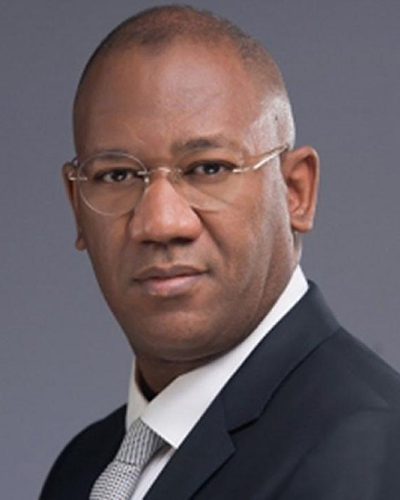
Yusuf Datti Baba-Ahmed is a Nigerian economist, entrepreneur, educationist, and politician known for his strong advocacy for accountable leadership, youth inclusion, and economic reforms. He was born on July 7, 1969, in Zaria, Kaduna State, Nigeria. Datti studied Economics at the University of Maiduguri before furthering his education in the United Kingdom where he obtained a Master’s degree in Economics.
Beyond politics, he is widely respected in the education sector as the founder of Baze University, Abuja, one of Nigeria’s leading private universities focused on quality higher education and innovation. His business and educational background helped establish him as a technocratic figure with strong interest in human capital development and institutional reforms.
Datti Baba-Ahmed entered national politics in the early 2000s and served as a member of the House of Representatives representing Zaria Federal Constituency before later becoming a Senator representing Kaduna North Senatorial District. During his time in the National Assembly, he gained recognition for speaking against corruption, electoral malpractice, and abuse of public office.
He rose to greater national prominence in 2022 after emerging as the vice-presidential candidate of the Labour Party alongside Peter Obi in the 2023 Nigerian presidential election. The Obi-Datti movement attracted massive youth support across Nigeria and became one of the strongest third-force political movements in modern Nigerian history.
Known for his articulate communication style, analytical reasoning, and reform-driven politics, Datti remains an influential political figure among Nigerian youths and urban voters ahead of the 2027 general elections.
📜 Manifesto & Key Promises
Yusuf Datti Baba-Ahmed advocates a governance agenda focused on economic recovery, institutional reform, education, security, and youth empowerment. His political philosophy centers on competence, accountability, and building a productive economy capable of creating opportunities for ordinary Nigerians.
On the economy, Datti supports reducing Nigeria’s dependence on crude oil by investing heavily in agriculture, technology, manufacturing, and small-scale enterprises. He emphasizes policies that encourage local production, entrepreneurship, innovation, and foreign investment while reducing excessive government borrowing and wasteful spending.
In education, he promotes increased investment in schools, universities, vocational training, and digital learning infrastructure. Drawing from his experience in the education sector, he believes quality education is essential for national transformation and economic competitiveness. He also supports improving teachers’ welfare and funding research and innovation.
On governance, Datti advocates stronger anti-corruption systems, transparent public finance management, judicial independence, and electoral reforms that strengthen democracy and public trust. He supports reducing the cost of governance and ensuring public institutions serve citizens effectively.
In security, he proposes intelligence-driven policing, better welfare for security agencies, and addressing poverty and unemployment as root causes of insecurity. He also supports youth inclusion in leadership and decision-making, arguing that Nigeria’s large youth population should be actively involved in shaping the country’s future.
His broader vision is focused on building a fair, secure, and economically productive Nigeria driven by competence, integrity, and inclusive development.